The Paradox of Autonomy: India’s Balancing Act in an Era of Global Anarchy

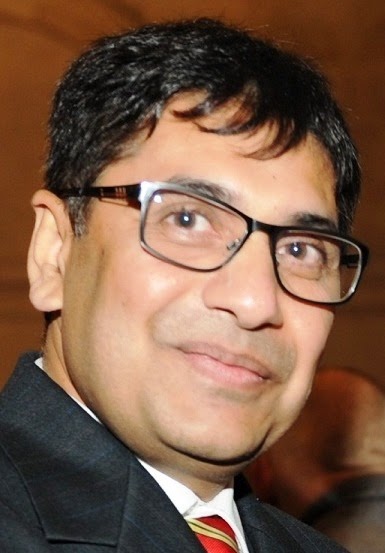
By: Prashant Shukla
The contemporary global landscape is no longer defined by the rigid polarities of the Cold War, nor the brief, illusory stability of the unipolar moment. Instead, we have entered an era of "strategic anarchy"—a disorderly transition where traditional alliances are fraying, and international institutions are increasingly sidelined by unilateralism. At the epicentre of this churn is India, a nation whose historical commitment to "strategic autonomy" is currently facing its most rigorous test.
As New Delhi navigates the volatile waters of West Asian conflict and shifting great-power rivalries, a critical question emerges: is India’s foreign policy still guided by a coherent national vision, or has it devolved into a series of high-stakes, personalised transactions?
The West Asian Crucible and Economic Sovereignty
India’s domestic prosperity is inextricably tethered to the stability of West Asia. The current escalations involving the United States, Israel, and Iran do not merely represent a distant geopolitical skirmish; they constitute a direct threat to India’s economic foundations. New Delhi’s reliance on the region is absolute: 80% to 90% of its crude oil is imported, with over half sourced from West Asian fields. The arithmetic of conflict is brutal—every ten-euro surge in the price of a barrel imposes an additional €13 billion burden on the Indian exchequer.
Beyond energy, the disruption of the "remittance lifeline"—which accounts for approximately 35% of India’s total global inflows—threatens the financial security of millions. In 2025 alone, crude oil imports from the region were valued at approximately €65 billion. In this context, a staunchly one-sided posture risks narrowing India's strategic options. Aligning too closely with a single axis threatens access to critical corridors, such as the Chabahar Port in Iran, which serves as the indispensable gateway to Central Asia.
The Internal Engine of a Global Player
To remain a formidable Global Player, India’s external diplomacy must be mirrored by internal resilience. True development—creating a society that is happy, healthy, and prosperous—rests on a foundation of specific economic and social pillars.
Central to this is maintaining a high savings rate, providing the domestic capital necessary for large-scale infrastructure and industrial growth. However, capital alone is insufficient without human potential. India must leverage its favourable demographics—a youthful workforce that is the envy of the ageing West—by ensuring universal access to quality education and quality healthcare. A "Viksit" (Developed) nation is an impossibility without a "Shikshit" (Educated) and "Swasth" (Healthy) citizenry.
Furthermore, prosperity requires a stable policy environment and economic openness. Investors and citizens alike thrive when there is predictability, underpinned by strong and effective institutions that uphold the rule of law. By fostering an environment where merit and innovation are protected, India can transform its demographic advantage into a permanent economic dividend.
Neighbourhood Responsibility: Guidance and Growth
A Global Player’s stature is also measured by the stability of its periphery. In this era of polycrisis, India must provide confidence and guidance to its neighbours. This involves a committed partnership in addressing fundamental development challenges, be it through the export of educational frameworks or spearheading initiatives for women’s and youth empowerment. India’s success must be the neighbourhood's success.
By acting as a reliable anchor for regional development, India demonstrates that its rise is inclusive. Simultaneously, India must maintain a principled and uncompromising stance toward its adversaries. Addressing persistent security threats and the scourge of cross-border terrorism requires a policy that is firm and transparent, ensuring national integrity is never sacrificed for diplomatic convenience.
2026: Navigating the New Anarchy
As 2026 unfolds, India faces a triad of challenges: the weaponisation of global finance, the volatility of supply chains, and the "technological iron curtain" being drawn between the West and China. In a world where the United States and China combined account for less than 50% of global GDP and military power, we are returning to a state of "normal anarchy”, a system defined by bilateralism and shifting coalitions.
In this environment, "strategic autonomy" cannot mean risk aversion. True autonomy requires the courage to prioritise national interest—whether in the purchase of Russian oil or the maintenance of ties with Tehran—despite external pressure. Recent rhetoric from global powers suggests a cooling toward India’s rise, signalling that New Delhi must prepare for a relationship that is far more competitive than previously imagined.
Conclusion: Reclaiming the Principled Mandate
For India to truly emerge as a Viksit Bharat by 2047, its foreign policy must be anchored in moral clarity and domestic strength. India’s voice has historically resonated across Europe, Asia, and the Americas because it stood for universal values against colonialism and imperialism.
India’s greatest assets remain its democratic plurality and its status as a bridge between the East and the West. To leverage these, New Delhi must reclaim its voice. In a world of disorder, there is a desperate need for principled leadership—not the leadership of a hegemon, but that of a grounded power that offers a path toward global sanity. India’s future as a global titan depends not on the private deals it strikes, but on the universal principles it has the courage to defend.
——————————-
स्वायत्तता का विरोधाभास: वैश्विक अराजकता के युग में भारत का संतुलन
लेखक: प्रशांत शुक्ल
समकालीन वैश्विक परिदृश्य अब न तो शीत युद्ध की कठोर ध्रुवीयता से परिभाषित है, और न ही एकध्रुवीय, भ्रामक स्थिरता से। इसके बजाय, हम "रणनीतिक अराजकता" के युग में प्रवेश कर चुके हैं, एक ऐसा अव्यवस्थित संक्रमण जहाँ पारंपरिक गठबंधन टूट रहे हैं और अंतर्राष्ट्रीय संस्थाओं को एकपक्षीयवाद (unilateralism) द्वारा दरकिनार किया जा रहा है। इस उथल-पुथल के केंद्र में भारत है, एक ऐसा राष्ट्र जिसकी "रणनीतिक स्वायत्तता" के प्रति ऐतिहासिक प्रतिबद्धता वर्तमान में अपनी सबसे कठिन परीक्षा का सामना कर रही है।
जैसे-जैसे नई दिल्ली पश्चिम एशियाई संघर्ष और बदलती महाशक्ति प्रतिद्वंद्विता के उतार-चढ़ाव भरे पानी में रास्ता बना रही है, एक महत्वपूर्ण प्रश्न उभरता है: क्या भारत की विदेश नीति अभी भी एक सुसंगत राष्ट्रीय दृष्टिकोण द्वारा निर्देशित है, या यह उच्च-दांव वाले व्यक्तिगत लेनदेन की एक श्रृंखला बनकर रह गई है?
पश्चिम एशियाई संकट और आर्थिक संप्रभुता
भारत की घरेलू समृद्धि पश्चिम एशिया की स्थिरता के साथ अटूट रूप से जुड़ी हुई है। अमेरिका, इज़राइल और ईरान के बीच वर्तमान तनाव केवल एक दूरस्थ भू-राजनीतिक संघर्ष नहीं है; यह भारत की आर्थिक नींव के लिए सीधा खतरा है। इस क्षेत्र पर नई दिल्ली की निर्भरता है: भारत के कच्चे तेल का 80% से 90% आयात किया जाता है, जिसमें से आधे से अधिक पश्चिम एशियाई क्षेत्रों से आता है। संघर्ष का अंकगणित क्रूर है—कच्चे तेल की कीमत में प्रति बैरल केवल दस यूरो की वृद्धि भारतीय खजाने पर €13 बिलियन का अतिरिक्त बोझ डालती है।
ऊर्जा के अलावा, “ धनप्रेषण जीवनरेखा" (remittance lifeline) का बाधित होना, जो भारत के कुल वैश्विक प्रवाह का लगभग 35% है—लाखों लोगों की वित्तीय सुरक्षा के लिए खतरा पैदा करता है। अकेले 2025 में, इस क्षेत्र से कच्चे तेल के आयात का मूल्य लगभग €65 बिलियन था। इस संदर्भ में, एक तरफा रुख भारत के रणनीतिक विकल्पों को सीमित करने का जोखिम पैदा करता है। किसी एक धुरी के साथ बहुत अधिक जुड़ना ईरान में चाबहार बंदरगाह जैसे महत्वपूर्ण गलियारों तक पहुंच को खतरे में डालता है, जो मध्य एशिया के लिए अपरिहार्य प्रवेश द्वार है।
एक प्रभावशाली ग्लोबल प्लेयर (वैश्विक खिलाड़ी) बने रहने के लिए, भारत की बाहरी कूटनीति में आंतरिक लचीलापन प्रतिबिंबित होना चाहिए। वास्तविक विकास एक ऐसे समाज का निर्माण जो सुखी, स्वस्थ और समृद्ध हो—विशिष्ट आर्थिक और सामाजिक स्तंभों की नींव पर टिका होता है।
इसके लिए उच्च बचत दर को बनाए रखना केंद्रीय है, जो बड़े पैमाने पर बुनियादी ढांचे और औद्योगिक विकास के लिए आवश्यक घरेलू पूंजी प्रदान करती है। हालांकि, मानवीय क्षमता के बिना केवल पूंजी पर्याप्त नहीं है। भारत को अपनी अनुकूल जनसांख्यिकी (favourable demographics) एक युवा कार्यबल जो वृद्ध होते पश्चिम के लिए ईर्ष्या का विषय है—का लाभ उठाने के लिए गुणवत्तापूर्ण शिक्षा और गुणवत्तापूर्ण स्वास्थ्य सेवा तक सार्वभौमिक पहुंच सुनिश्चित करनी होगी। एक "विकसित" भारत की कल्पना एक "शिक्षित" और "स्वस्थ" नागरिक समाज के बिना असंभव है।
इसके अलावा, समृद्धि के लिए एक स्थिर नीतिगत वातावरण और आर्थिक खुलापन आवश्यक है। निवेशक और नागरिक तब फलते-फूलते हैं जब वहां पूर्वानुमान की स्थिति हो, जिसे मजबूत और प्रभावी संस्थानों द्वारा समर्थित किया गया हो जो कानून के शासन को बनाए रखते हैं। योग्यता और नवाचार की रक्षा करने वाले वातावरण को बढ़ावा देकर, भारत अपने जनसांख्यिकीय लाभ को स्थायी आर्थिक लाभांश में बदल सकता है।
पड़ोसी जिम्मेदारी: मार्गदर्शन और विकास
एक वैश्विक खिलाड़ी का कद अक्सर उसके पड़ोस की स्थिरता और समृद्धि से मापा जाता है। "पॉलीक्राइसिस" (बहु-संकट) के इस युग में, भारत को केवल वैश्विक लहरों के बीच रास्ता ही नहीं बनाना चाहिए; बल्कि उसे अपने पड़ोसियों को आत्मविश्वास और मार्गदर्शन भी प्रदान करना चाहिए। इसमें विकास की मौलिक चुनौतियों के समाधान के लिए एक प्रतिबद्ध साझेदारी शामिल है—चाहे वह शैक्षिक ढांचे का निर्यात हो या महिला और युवा सशक्तिकरण के लिए पहल का नेतृत्व करना हो। भारत की सफलता ही उसके पड़ोसियों की सफलता होनी चाहिए।
क्षेत्रीय विकास के लिए एक विश्वसनीय आधार (anchor) के रूप में कार्य करके, भारत यह प्रदर्शित करता है कि उसका उत्थान समावेशी है। साथ ही, भारत को अपने विरोधियों के प्रति एक सैद्धांतिक और अडिग रुख बनाए रखना चाहिए। सुरक्षा खतरों और सीमा पार आतंकवाद के संकट से निपटने के लिए एक ऐसी नीति की आवश्यकता है जो क्रियान्वयन में दृढ़ और उद्देश्यों में पारदर्शी हो, यह सुनिश्चित करते हुए कि राजनयिक सुविधा के लिए राष्ट्रीय अखंडता का कभी बलिदान न दिया जाए।
2026: नई अराजकता का सामना
जैसे-जैसे 2026 आगे बढ़ रहा है, भारत के सामने चुनौतियों का एक त्रिकोण है: वैश्विक वित्त का हथियार के रूप में उपयोग, आपूर्ति श्रृंखलाओं की अस्थिरता, और पश्चिम तथा चीन के बीच खींची जा रही "तकनीकी लौह दीवार" (technological iron curtain)। एक ऐसी दुनिया में जहां अमेरिका और चीन मिलकर वैश्विक सकल घरेलू उत्पाद और सैन्य शक्ति का 50% से भी कम हिस्सा रखते हैं, हम "सामान्य अराजकता" की स्थिति में लौट रहे हैं, एक ऐसी प्रणाली जो द्विपक्षीयता और बदलते गठबंधनों द्वारा परिभाषित है।
इस वातावरण में, "रणनीतिक स्वायत्तता" का अर्थ जोखिम से बचना नहीं है। वास्तविक स्वायत्तता के लिए बाहरी दबाव के बावजूद राष्ट्रीय हितों को प्राथमिकता देने के साहस की आवश्यकता है, चाहे वह रूसी तेल की खरीद हो या तेहरान के साथ संबंधों को बनाए रखना हो। वैश्विक शक्तियों की हालिया बयानबाजी भारत के उत्थान के प्रति एक ठंडे रवैये का संकेत देती है, जिससे यह स्पष्ट है कि नई दिल्ली को एक ऐसे रिश्ते के लिए तैयार रहना चाहिए जो पहले की तुलना में कहीं अधिक प्रतिस्पर्धी है।
निष्कर्ष: सैद्धांतिक जनादेश की वापसी
2047 तक भारत को वास्तव में एक "विकसित भारत" के रूप में उभरने के लिए, उसकी विदेश नीति को नैतिक स्पष्टता और घरेलू ताकत पर आधारित होना चाहिए। भारत की आवाज ऐतिहासिक रूप से यूरोप, एशिया और अमेरिका में इसलिए गूंजी है क्योंकि वह उपनिवेशवाद और साम्राज्यवाद के खिलाफ सार्वभौमिक मूल्यों के लिए खड़ा हुआ था।
भारत की सबसे बड़ी संपत्ति उसकी लोकतांत्रिक बहुलता और पूर्व तथा पश्चिम के बीच एक सेतु के रूप में उसकी स्थिति है। इनका लाभ उठाने के लिए नई दिल्ली को अपनी आवाज फिर से बुलंद करनी होगी। अव्यवस्था की दुनिया में, सैद्धांतिक नेतृत्व (principled leadership) की सख्त जरूरत है—एक ऐसा नेतृत्व जो किसी अधिनायक का नहीं, बल्कि एक जमीनी शक्ति का हो जो वैश्विक विवेक का मार्ग प्रशस्त करे। एक वैश्विक शक्ति के रूप में भारत का भविष्य उन निजी सौदों पर नहीं, बल्कि उन सार्वभौमिक सिद्धांतों पर निर्भर करता है जिन्हें बचाने का साहस वह दिखाता है।
———————————
#IndiaForeignPolicy2026 #StrategicAutonomy #PrincipledLeadership #WestasiaConflict #ViksitBharat2047 #IrelandIndiaCouncil #GlobalAnarchy #TransactionalDiplomacy #India-EuropeTrade #DemographicDividend #RegionalStability #SouthAsia #Geopoliticalanalysts #globaltradeinvestors #policymakersinEuropeandAsia #Indiandiaspora #PrashantShukla


Comments